

Hormone Optimization in Glendale, CA
Hormones influence nearly every system in the body including energy, metabolism, mood, sleep, sexual health, brain function and bone density.
As women enter perimenopause and menopause, hormone levels gradually decline. These changes can lead to symptoms that affect daily life and long-term health.
Many women assume fatigue, weight gain or low libido are simply part of aging. In many cases these symptoms are related to treatable hormone imbalance.
Women throughout Glendale, Burbank, Pasadena, La Cañada, Los Angeles and surrounding communities seek care at Glendale Whole Health for personalized bioidentical hormone therapy.
Dr. Speller is a certified BioTE® provider and has extensive experience using BioTE® hormone pellet therapy, one of the most widely used pellet systems in the United States.
At Glendale Whole Health we combine bioidentical hormone therapy with functional medicine, addressing the underlying causes of hormonal decline rather than simply treating symptoms.


Symptoms of Hormone Imbalance in Women
Hormonal imbalance can affect nearly every system in the body. Symptoms often develop gradually during perimenopause and menopause.
Common symptoms include:
- Fatigue or low energy
- Brain fog or memory problems
- Mood swings or irritability
- Anxiety or depression
- Sleep disturbances or insomnia
- Hot flashes or night sweats
- Weight gain or difficulty losing weight despite diet and exercise
- Low libido or decreased sexual satisfaction
- Vaginal dryness or discomfort
- Hair thinning or skin changes
- Loss of muscle tone
- Decreased bone density
Many women notice that weight gain occurs even when diet and exercise habits have not changed.
Hair thinning or hair loss may be related to hormonal changes, thyroid dysfunction, iron deficiency or nutrient imbalances. Learn more on our Hair Loss page.
Some women also notice increased underarm sweating during hormonal changes. For patients with persistent underarm sweat or odor we also offer miraDry®, a permanent treatment that reduces underarm sweat glands.
Sex Hormones Are Not the Only Factor
Symptoms often attributed to estrogen or testosterone imbalance may actually involve other hormonal systems and nutritional factors.
At Glendale Whole Health we evaluate the full hormonal network, not just sex hormones.
Thyroid Hormones
Thyroid hormones regulate metabolism, energy production and temperature regulation.
Low thyroid function may contribute to:
- Fatigue
- Weight gain
- Hair thinning or hair loss
- Brain fog
- Depression
- Cold intolerance
Cortisol and Adrenal Hormones
Cortisol is the body’s primary stress hormone and plays a major role in energy, sleep and metabolic balance.
Chronic stress or adrenal dysfunction can lead to:
- Fatigue or burnout
- Sleep disturbances
- Anxiety or irritability
- Blood sugar instability
- Increased abdominal fat storage
Iron and Nutrient Status
Low iron is a very common but often overlooked cause of symptoms in women.
Iron deficiency may contribute to:
- Fatigue
- Hair loss
- Brain fog
- Shortness of breath with exertion
- Reduced exercise tolerance
Because these systems interact closely with estrogen, progesterone and testosterone, hormone optimization works best when sex hormones, thyroid function, adrenal health and nutrient status are evaluated together.
Hormone Balance and Weight Loss
Hormonal changes during perimenopause and menopause often make weight loss significantly more difficult.
Declining estrogen and testosterone can lead to:
- Reduced metabolic rate
- Increased abdominal fat storage
- Loss of lean muscle mass
- Increased insulin resistance
At Glendale Whole Health hormone optimization is often combined with metabolic support programs including:
- Nutrition and lifestyle optimization
- Insulin resistance treatment
- Targeted supplementation
- GLP-1 medications such as semaglutide or tirzepatide when appropriate
When hormones and metabolism are addressed together many patients find that weight loss becomes easier and more sustainable.
How Hormones Change as Women Age
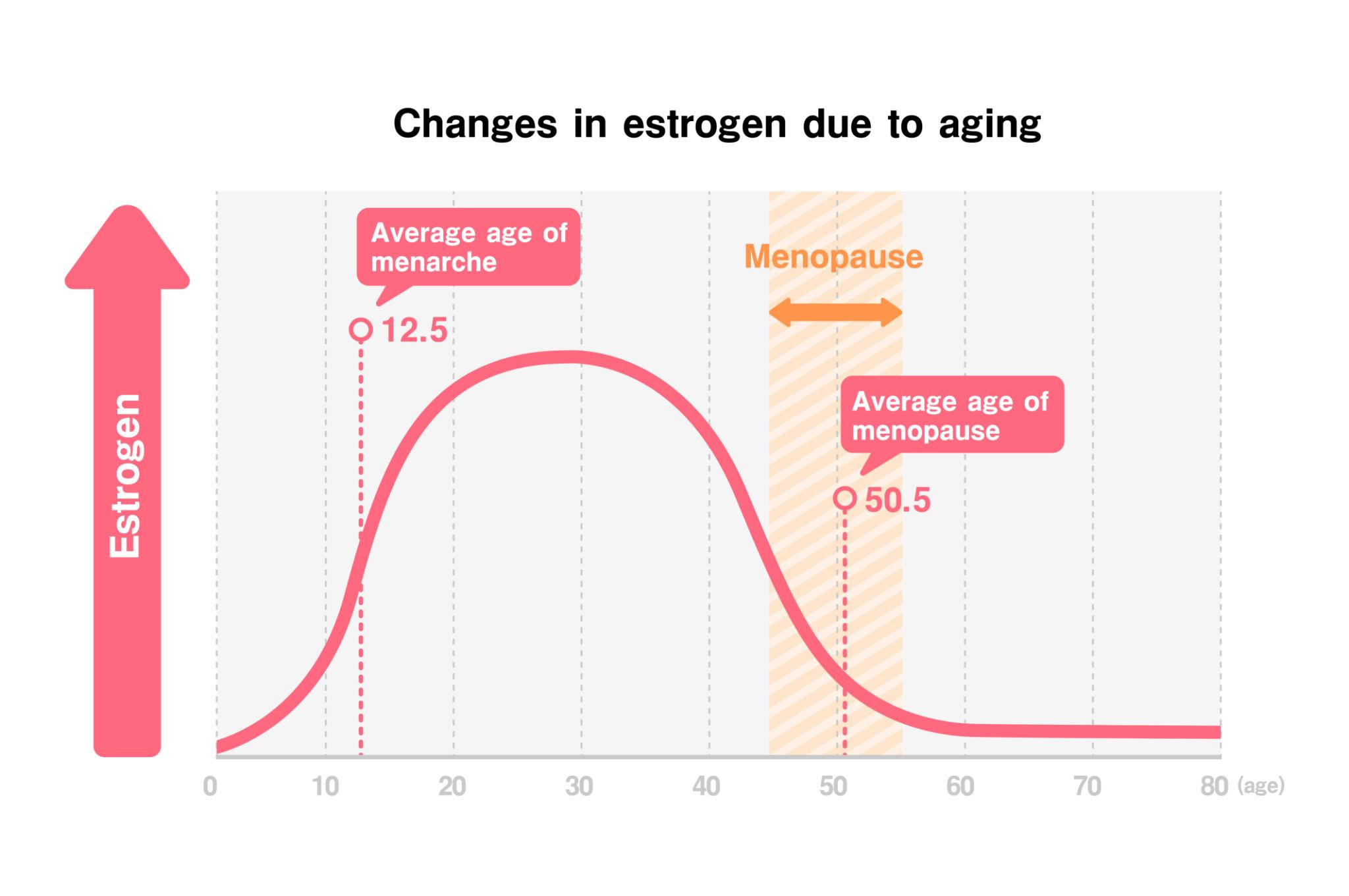
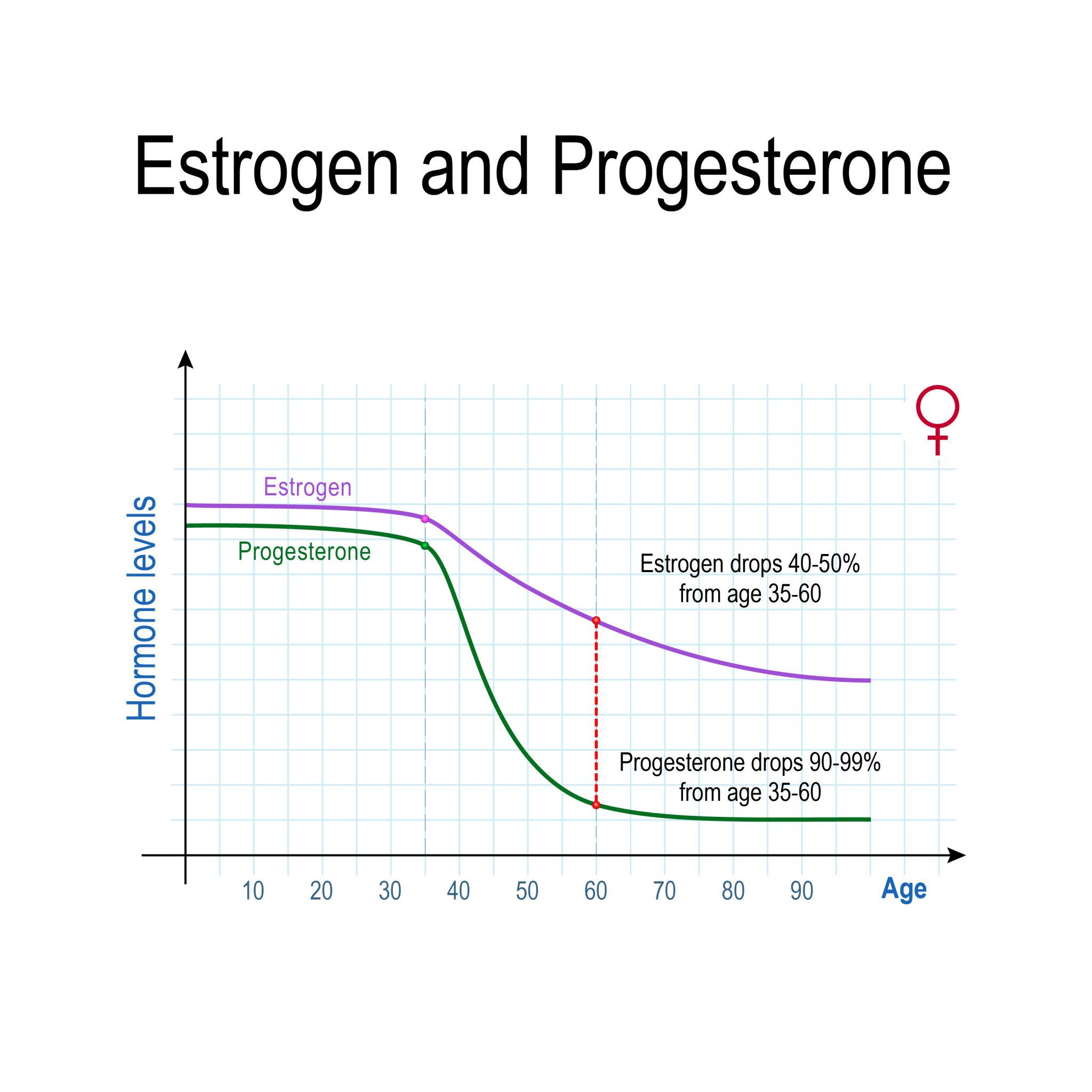
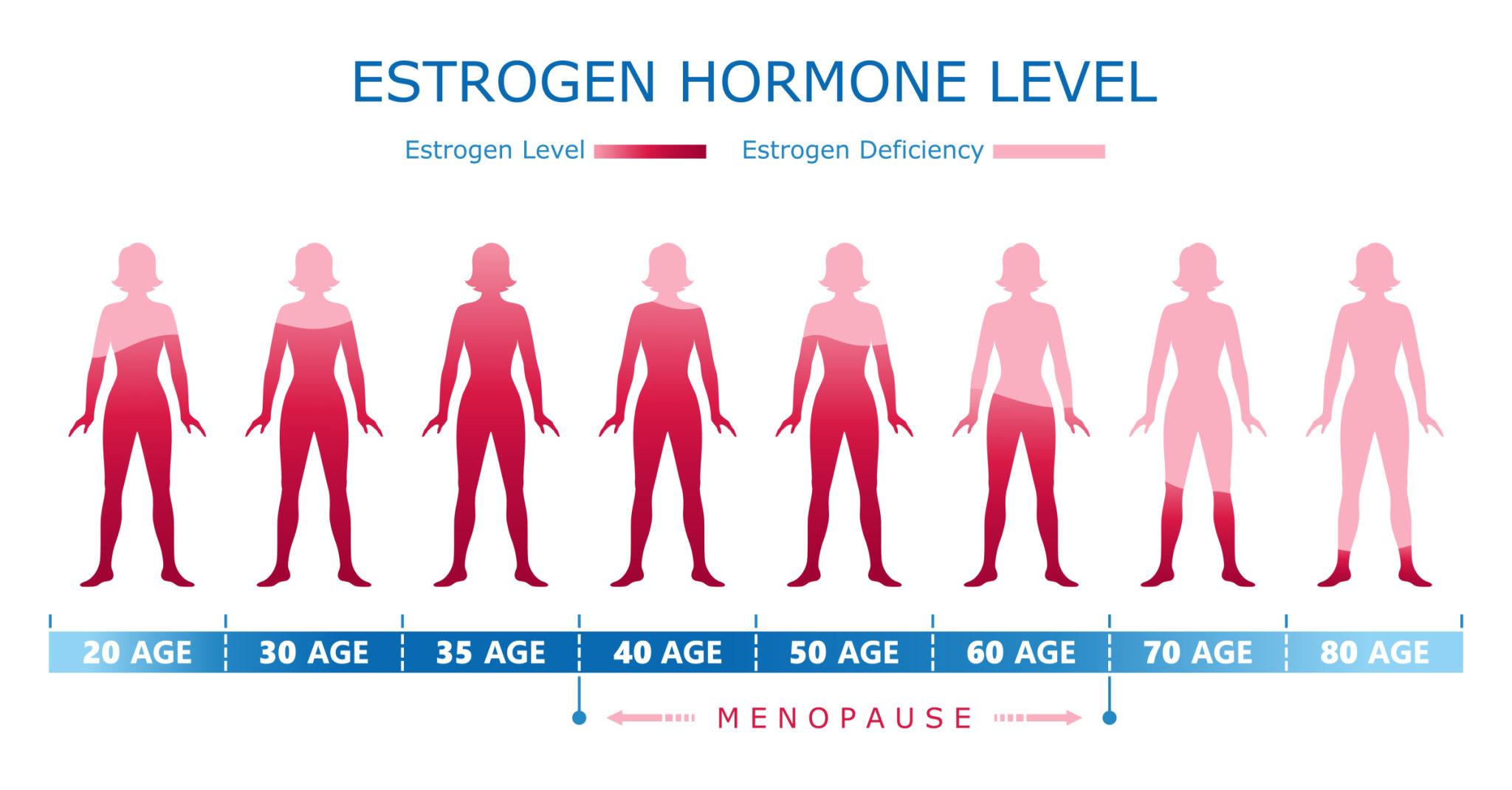
Hormone decline occurs gradually over many years.
Testosterone
Typically begins declining in the mid to late 20s.
Declining testosterone may contribute to:
- Reduced libido
- Lower motivation or drive
- Fatigue
- Reduced muscle mass
- Slower metabolism
- Brain fog
Progesterone
Often declines in the late 30s to early 40s as ovulation becomes less consistent.
Lower progesterone may contribute to:
- Sleep disturbances
- Anxiety or irritability
- PMS symptoms
- Breast tenderness
- Mood changes
- Irregular menstrual cycles
Estrogen
Declines during perimenopause and menopause.
Symptoms may include:
- Hot flashes or night sweats
- Vaginal dryness
- Brain fog
- Joint discomfort
- Skin thinning
- Abdominal weight gain
- Bone loss


Hormones Commonly Optimized in Women
Estradiol
Estradiol is the primary active estrogen in the body and has over 400 known functions affecting multiple systems.
Some of the important roles of estradiol include supporting:
- Bone density and skeletal strength
- Brain health, memory and cognition
- Skin elasticity and collagen production
- Cardiovascular health
- Healthy cholesterol metabolism
- Vaginal and urinary tissue health
- Mood stability
- Sleep regulation
- Joint health and connective tissue integrity
Testosterone
Testosterone is an important hormone for women.
It plays a role in:
- Libido and sexual function
- Energy and motivation
- Sense of well-being
- Mental clarity and focus
- Lean muscle mass
- Metabolic health
- Bone strength and density
Long-term testosterone optimization may also support:
- Improved hemoglobin A1c
- Healthier LDL cholesterol levels
- Improved bone density
Testosterone and Female Libido
Low libido is one of the most common concerns women experience during hormone decline, yet many women hesitate to bring it up with their doctor.
Declining testosterone can contribute to:
- Reduced sexual desire
- Difficulty becoming aroused
- Reduced sensitivity or pleasure
- Decreased interest in intimacy
When hormone levels are optimized appropriately many women experience improvements in libido, energy, vitality and overall well-being. Many patients report that they feel like themselves again once hormones are balanced.
Progesterone
Progesterone helps protect the uterus and breast tissue when estrogen is used.
It also supports:
- Sleep quality
- Mood stability
- Relaxation and emotional balance
- Relief of PMS symptoms
Oral progesterone increases GABA activity in the brain, which can improve sleep and anxiety.

Understanding the Three Estrogens
Women produce three forms of estrogen.
Estrone (E1)
Dominant estrogen after menopause.
Estradiol (E2)
The most potent and biologically active estrogen in the body.
Estriol (E3)
The weakest estrogen which is commonly used for vaginal therapy.
How We Use These Estrogens in Treatment
Pellet therapy typically replaces estradiol (E2).
Transdermal creams may include:
- Bi-Est (estradiol and estriol)
- Tri-Est (estrone, estradiol and estriol)
- Estradiol alone
For vaginal therapy we commonly use:
- Estriol (E3)
- Sometimes vaginal estradiol depending on symptoms
Treatment is individualized based on symptoms, history and lab testing.

Why We Often Recommend BioTE®
Pellet Therapy
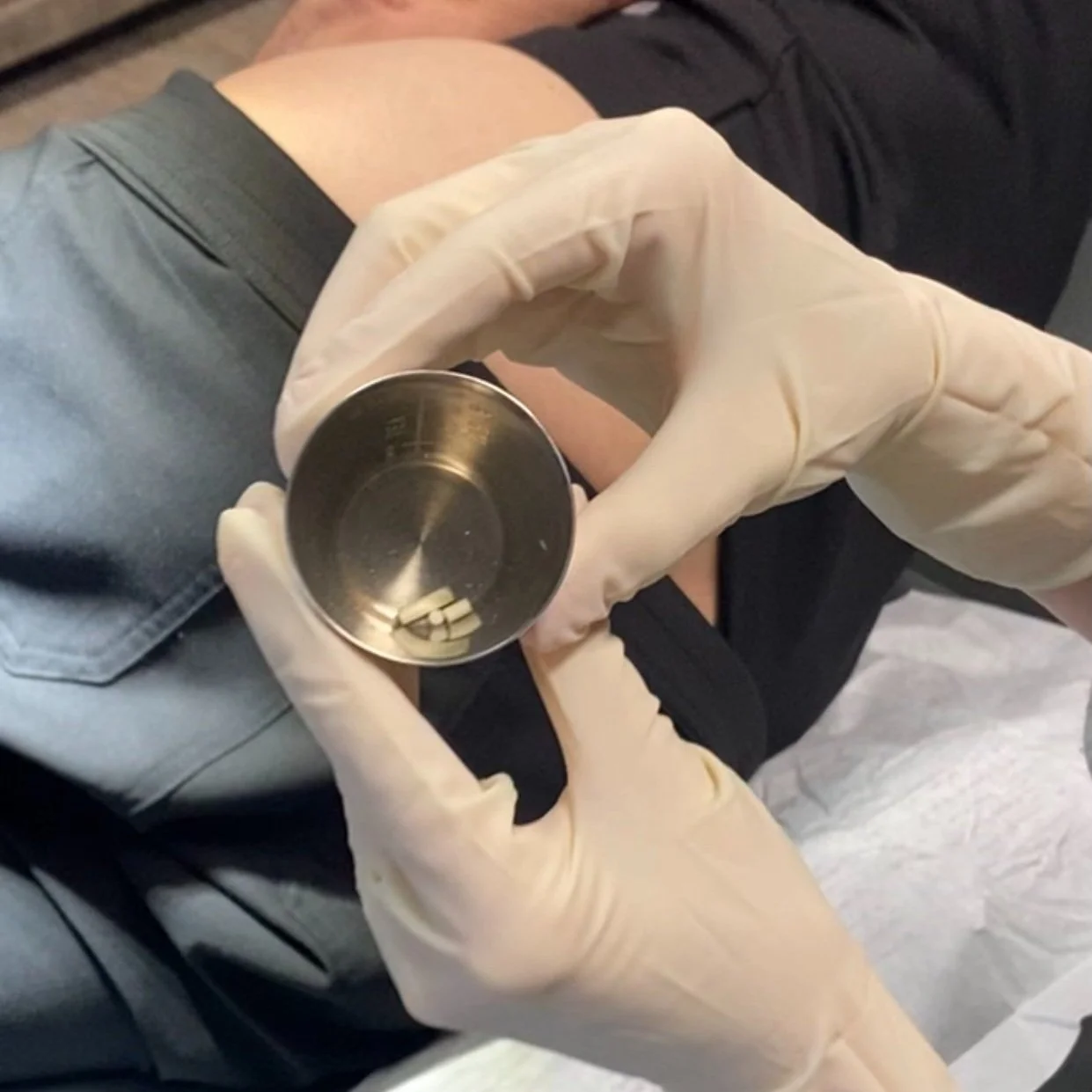
BioTE® pellet therapy is the preferred treatment for many patients.
Benefits include:
- Stable hormone levels
- No daily medications
- Avoids hormone fluctuations
- Bypasses liver metabolism
- Long lasting symptom relief
Most women require three to four pellet insertions per year (every 3–4 months).
When Will I Notice Results
Results depend on the therapy used.
Pellet therapy
Estradiol pellets typically begin entering circulation within 2–3 days.
Testosterone pellets often produce noticeable effects within 7–10 days.
Transdermal therapy
Hormone creams often begin working within 1–2 days.
If hormone levels have been very low for a long time, improvement may take longer as the body must upregulate hormone receptors.
Monitoring and Safety
Hormone therapy at Glendale Whole Health is carefully monitored.
Typical monitoring includes:
- Baseline labs before starting therapy
- Follow up labs approximately 6 weeks after starting therapy or pellet insertion
- Annual monitoring once stable
Every one to two years we also perform specialized urine hormone metabolite testing. This is an advanced functional medicine test that evaluates how hormones are metabolized in the body and helps identify estrogen metabolism patterns that may influence long term health risks. Because this testing provides deeper insight into hormone detoxification pathways it is considered specialty testing and is not part of standard blood work.
Additional testing may be ordered if symptoms change or therapy adjustments are needed.
Hormone Delivery Options Compared
| Delivery Method | Pros | Cons | Our Approach |
| Pellet Therapy (BioTE® ) | Stable hormone levels, convenient | Requires minor procedure | Preferred for most patients |
| Transdermal Creams | Flexible dosing | Requires daily application | Alternative option |
| Vaginal Hormones | Excellent for local symptoms | Mostly local effect | Often combined with systemic therapy |
| Oral Hormones | Easy to take | First pass liver metabolism | Not prescribed at Glendale Whole Health |
| Injectable Hormones | Rapid hormone delivery | Hormone peaks and troughs | Not prescribed at Glendale Whole Health |
What Makes Glendale Whole Health Different
Many clinics offer hormone therapy. At Glendale Whole Health our approach is different.
Dr. Speller evaluates multiple systems that influence hormone balance including:
- Sex hormones
- Thyroid function
- Adrenal and cortisol balance
- Metabolic health
- Nutrient deficiencies such as iron
- Gut health
- Environmental toxin exposure
Addressing these factors together often leads to more stable hormone balance and better long term outcomes.
Frequently Asked Questions About BHRT for Women
When should women start hormone therapy?
The average age of menopause in the United States is about 51–52 years, although the age at which menopause occurs can vary widely. Most women experience menopause sometime between about 35 and 55 years of age.
Hormonal symptoms often begin years earlier during perimenopause, before menstrual periods stop completely.
Whether a woman is a candidate for hormone therapy depends on symptoms, medical history and laboratory evaluation.
Although many of the long-term health benefits of hormone therapy are greatest when treatment begins within about 10 years of menopause, it is never too late to consider therapy if symptoms or health goals warrant evaluation.
Are bioidentical hormones the same as synthetic hormones?
Bioidentical hormones are molecularly identical to the hormones produced naturally by the body.
Why does Glendale Whole Health often recommend pellet therapy?
Pellet therapy provides stable hormone levels without daily dosing and avoids the fluctuations that can occur with creams or injections.
Can hormone therapy help with weight gain?
Hormone optimization combined with lifestyle strategies and metabolic therapies such as GLP-1 medications may help improve metabolism and body composition.
Can hormone therapy improve libido?
Declining testosterone and estrogen levels are common causes of reduced sexual desire in women. Hormone optimization may help restore libido and improve sexual health.
Schedule Your Consultation
If you’re ready to explore bioidentical hormone therapy for women, call us at (818) 551-0464 or email info@glendalewholehealth.com to request an appointment. At Glendale Whole Health we’ll design a personalized plan that fits your goals and supports long-term success.